The Rising Importance of Pest Prevention in UK Food Businesses
In the United Kingdom, restaurants operate under strict food safety regulations designed to protect public health. Yet one of the most persistent threats to compliance and customer trust is the presence of pests. From rodents and cockroaches to flies and stored-product insects, pests can infiltrate even the cleanest premises if proactive measures are not consistently applied. This is why every UK restaurant, regardless of size or cuisine, needs a professional pest control plan tailored to its operations. A reliable strategy ensures that a business remains compliant, maintains hygiene standards, and safeguards its hard-earned reputation.
How Pests Threaten Food Safety and Business Reputation
Pests pose multiple dangers within a restaurant environment. Rodents carry harmful bacteria, including salmonella and leptospirosis. Cockroaches contaminate surfaces, spread allergens, and multiply rapidly in warm kitchen areas. Flies transmit pathogens simply by landing on prepared food. If these issues go unnoticed or unmanaged, the risk of food contamination increases dramatically.
Beyond health risks, a single pest sighting can damage customer perception. In the digital age, a negative review highlighting a pest problem can circulate online within minutes, discouraging potential customers and affecting revenue. For this reason, restaurants must prioritise not just cleanliness but also structured, ongoing pest management. Many businesses search for effective “pest control restaurant” solutions only when problems arise, but prevention is far more economical than emergency treatment.
Legal Requirements Under UK Food Safety Regulations
UK restaurants are legally required to keep their premises free from pests under the Food Safety Act 1990 and the Food Hygiene Regulations 2013. Environmental Health Officers (EHOs) conduct unannounced inspections, assessing the establishment’s cleanliness, structure, and food handling practices.
If an EHO discovers evidence of pests, the restaurant may face enforcement measures such as hygiene improvement notices, fines, temporary closure, or a significantly reduced hygiene rating. A poor rating can have a direct impact on customer confidence, especially in areas where diners actively check food hygiene scores online. A professional pest control plan helps ensure ongoing compliance and reduces the likelihood of costly enforcement actions.
Why Professional Pest Control Is More Effective Than DIY Solutions
While some restaurant owners attempt to manage pests using shop-bought treatments, these methods often address only the surface of the problem. Pests typically hide in areas that are difficult to access without specialist tools or knowledge, meaning infestations continue unnoticed.
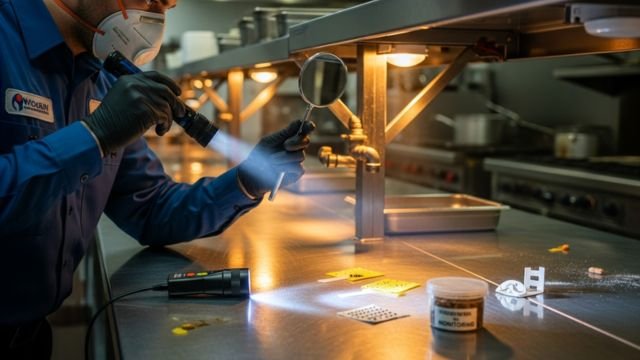
Professional pest control providers understand pest behaviour, breeding cycles, and structural vulnerabilities. They conduct detailed inspections, identify risk areas, and implement long-term treatment plans designed specifically for foodservice settings. With expert help, a restaurant is not merely reacting to issues but actively preventing them. This is especially crucial for any business implementing a “pest control restaurant” strategy that needs to be reliable, compliant, and responsive.
Minimising Business Disruption and Protecting Stock
Pest infestations can cause significant financial losses. Rodents and insects destroy packaging, contaminate ingredients, and force businesses to dispose of stock. Kitchens may need to halt operations during emergency treatments, leading to downtime that affects both profitability and customer service.
A professional pest control plan includes scheduled monitoring and maintenance visits, ensuring that minor problems are detected early before they escalate. By minimising disruptions, restaurants can continue operating smoothly and protect their valuable stock from contamination.
Strengthening Customer Trust and Enhancing Brand Image
Customers expect restaurants to maintain impeccable hygiene. When diners know that an establishment invests in professional pest management, they feel more confident about food safety and overall cleanliness. Many restaurants now highlight their commitment to hygiene as a selling point, especially in competitive markets where trust and reputation are essential.
Businesses that follow a structured “pest control restaurant” programme not only meet legal expectations but also demonstrate responsibility and care for their customers’ wellbeing. This commitment can help differentiate a restaurant from its competitors and build long-term loyalty.
A Long-Term Investment in Safety, Compliance, and Success
A professional pest control plan is not an optional extra; it is a necessary investment for any UK restaurant that wants to operate safely and successfully. With strict regulations, growing customer expectations, and increasing pest activity driven by urbanisation and climate change, proactive management is more important than ever.
By partnering with experienced professionals, UK restaurants can protect their premises, maintain food safety standards, and preserve the reputation that keeps customers coming back.